A Siana Travel Publication - Discover & Book Boutique Hotels
Manna Arcadia is a restored sanatorium set deep within the fir forests of the Arcadian mountains. The building spent many decades abandoned before being brought back with a careful respect for its history and the silence of the landscape around it. It is a place shaped by slow living, seasonal food and the natural calm that comes with life at altitude.
Watch the filmStratis Batagias was twelve when he first explored the abandoned building with friends from summer camp nearby. They would walk up the mountain at night with flashlights. Despite eighty years of abandonment, it wasn't creepy. There was something bright about the place, an energy he could feel even then. He carved his initials into a wall. Thirty years later, in 2014, when the building went to state auction, he bought it. Returning as owner, he found those initials still there. He had signed the building thirty years ago.
The Story of Manna Arcadia
Home is where your heart is mostly, and my heart is here now.
Stratis did not build a hotel. He revived a place that had shaped him since childhood. For him, Manna is not about luxury or design; it is about how a place makes you feel, how it softens the mind and settles the soul. He believes true hospitality is an emotional experience rather than a performance, and that comfort comes from honesty, not excess. Every decision in the restoration followed this belief. Materials were chosen for how they age rather than how they impress. Nothing was replaced when it could be restored. The original plaster was left intact, holding the colour and texture it developed over almost a century. The stone was quarried from the mountain above the building because it belonged here. Luxury is not about expensive materials and high end services," Stratis explains. "Luxury is all about how a place makes you feel."
Equally important was the land itself. The forest had grown around the building during its eighty years of abandonment, wrapping it in branches and roots. Stratis refused to cut a single tree. Today the rooms sit close to the trunks, as if the forest is embracing the walls. Manna exists because he wanted to create a place where guests could feel the stillness he felt as a child. A place where nature is part of the architecture and where luxury is measured by clarity, quiet and belonging.
What Manna Stands For
Manna was restored with a quiet belief that meaningful hospitality comes from honesty. The building was brought back with respect for its past, the land around it and the people who care for it. Every choice followed a simple intention: to create a place that softens the mind, slows the breath and feels real from the moment you arrive.

Materials
Working with K Studio and Monogon Office of Architecture over nine years, the restoration preserved the original Tencorexane plaster, a 100 year old technique where color sits in the plaster itself. Stone was quarried from the mountain above the building.
Food
Chef Athinagoras Kostakos sources only seasonal, local ingredients. 'We don't have tomato in winter because there's no tomato in winter,' Stratis explains. Breakfast runs until 11:30am. The restaurant earned a Michelin Guide 2024 listing.
Craft
Stone masons from nearby Lagadia continued a craft passed through families for generations. Their work keeps the building connected to its origins.
Hospitality Philosophy
For Stratis hospitality is an emotional experience rather than a performance. It is the calm a place brings and the way it settles the mind.
Location
Manna is located in the fir forests of Arcadia at an altitude of twelve hundred meters, surrounded by deep woodland and traditional stone built villages.
History
Built in 1929 as a sanatorium, the building served wounded soldiers and tuberculosis patients before being abandoned for almost eighty years.
Staff
Before opening, the chef suggested a career day in nearby villages. One hundred people came. They hired 80% that day. The hotel was delayed from May to July, but everyone was hired in May, so the entire team spent two months cleaning the construction site together before guests arrived. Seventy percent of staff come from surrounding villages.
“I could feel an energy even when I was 10."
Stratis’s connection to Arcadia runs deeper than memory, shaped by the summers he spent exploring its forests and learning the quiet rhythm of life at altitude. When he returned as an adult, the light, the scent of fir trees and the familiar stillness surrounding the old sanatorium felt unchanged, as if the building had been waiting for him with the same gentle presence he sensed as a child. Restoring it became a return to a place that had shaped him quietly over decades, a way of honouring the land that raised him and recognising that the forest, the mountains and the people of the region had become part of his own story. Arcadia was never an escape for him but a home that continued to call him back, guiding the spirit of Manna through the calm, honest atmosphere that defines this remote and deeply rooted landscape.
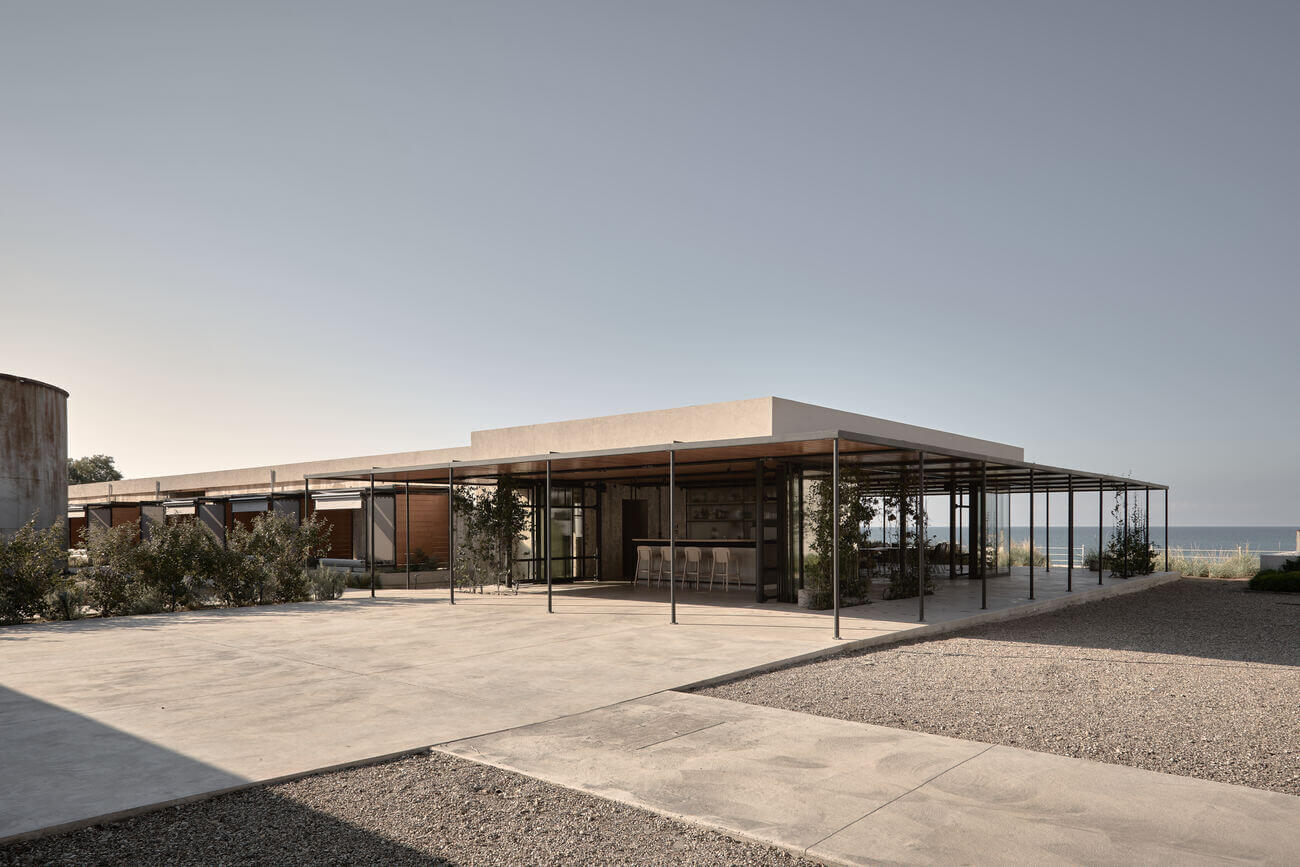
Why we selected Manna
Manna is the kind of place The Travel Project was created to honour. We document hotels that exist because someone believed in something beyond business, where every decision reflects a way of seeing the world rather than chasing trends.
What drew us to Manna is what it represents: a rejection of imported ingredients, hospitality school teams, and constant renovation. When Stratis refused to cut a single tree from the forest that grew around the abandoned building, when he insisted on organic seasonal ingredients with nothing from greenhouses, when he chose stone masons from Lagadia whose families had worked this craft for generations, he was saying something about respect for what was already there. This is a hotel where seventy percent of the team comes from surrounding villages, where the stone came from the mountain above, where the food is grown in Greece at that moment or it does not appear. These details are not about luxury. They are about building with the land and the people who belong to it.
This is why Manna belongs on The Travel Project. Not because it is perfect, but because it is honest. Because one person spent thirty years carrying a childhood feeling and nine years bringing it back to life with the community that raised him. When asked to describe Manna, Stratis paused. Can I use four words? he asked. It's not a dream anymore. That is what we seek: places built from belief, rooted in their landscape, honest in their creation.
Discover More from
The Asa Maia
(1).jpg)