How One Family Spent Three Decades Proving Real Luxury Cannot Be Rushed
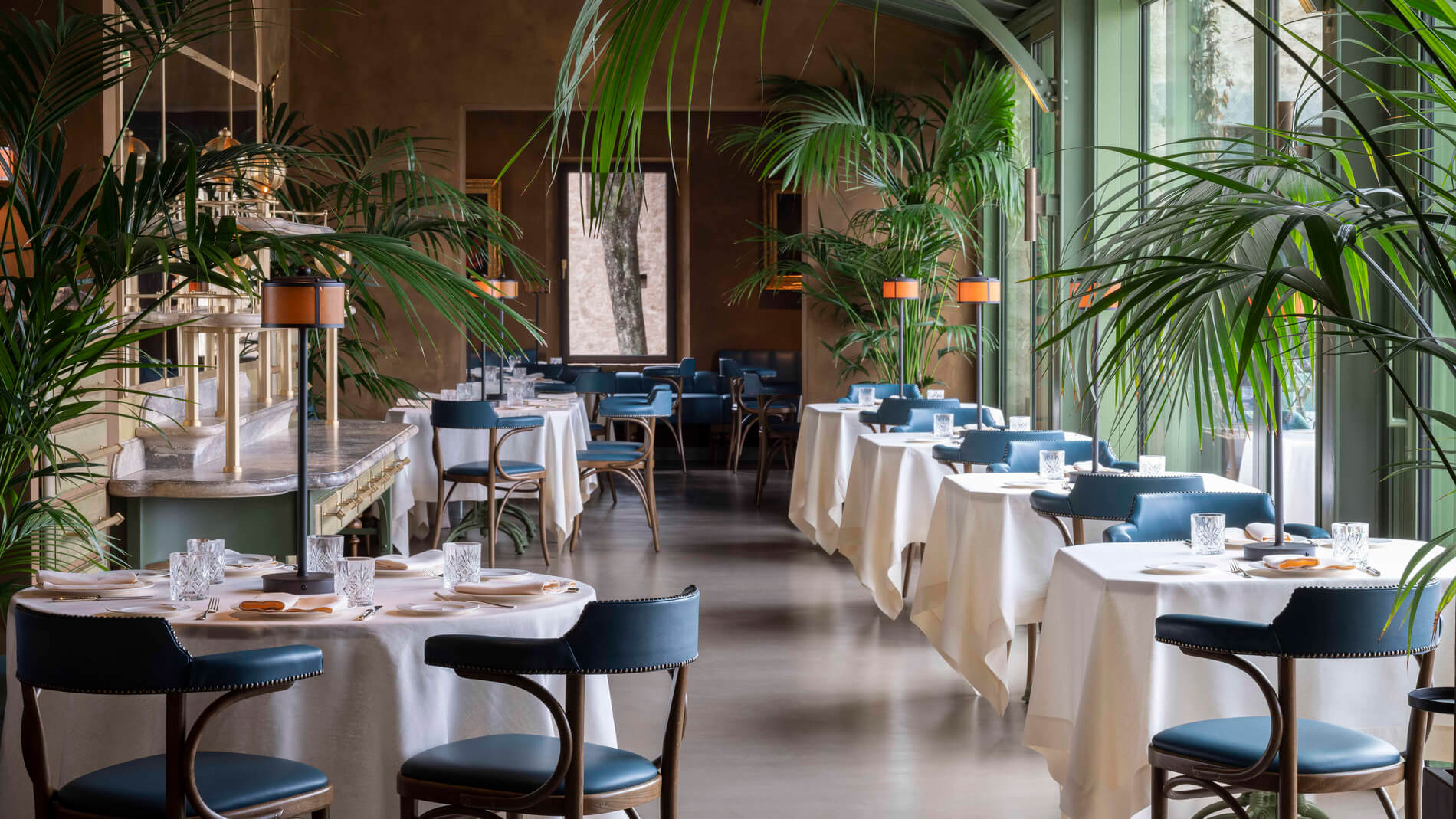
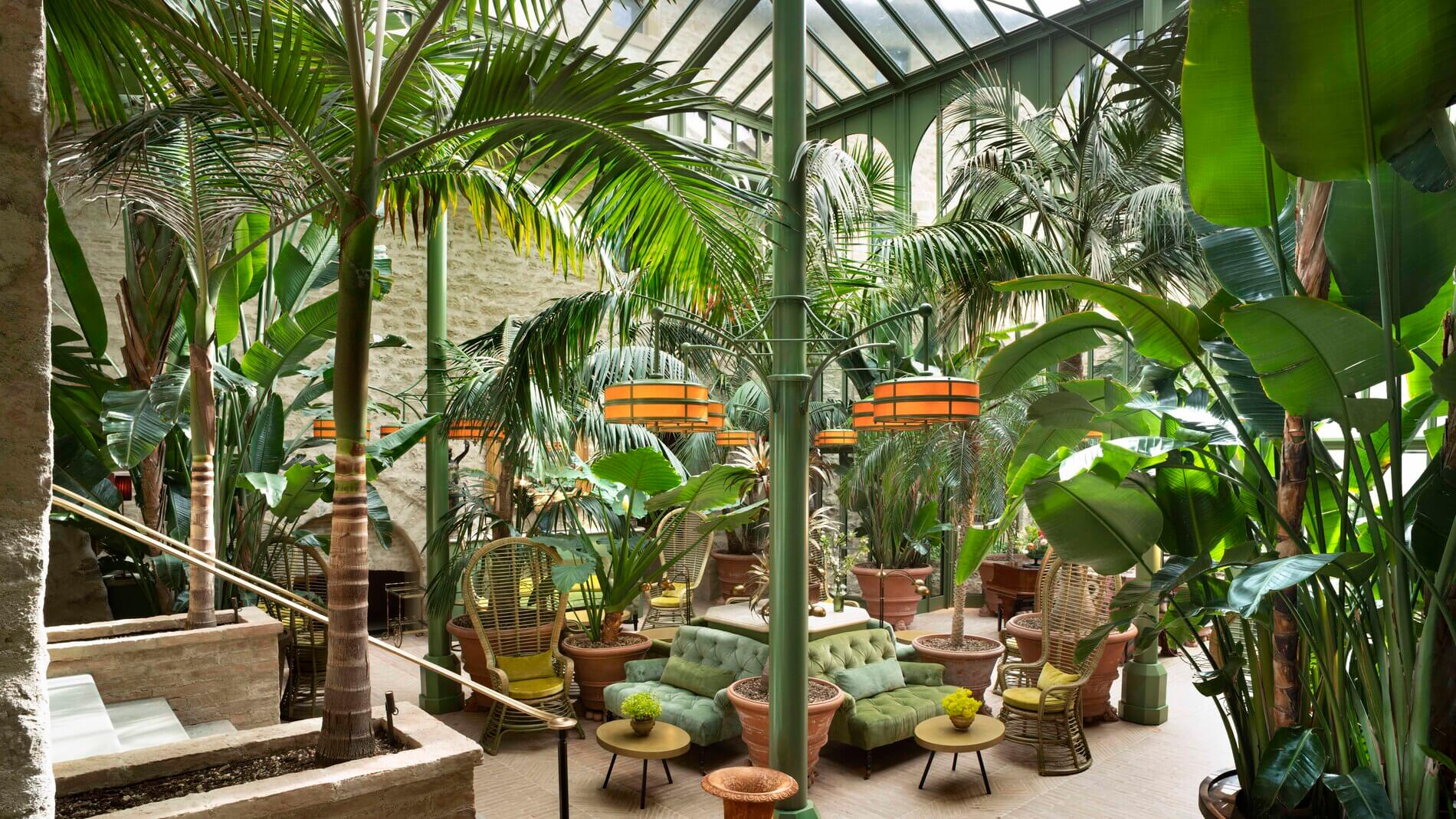
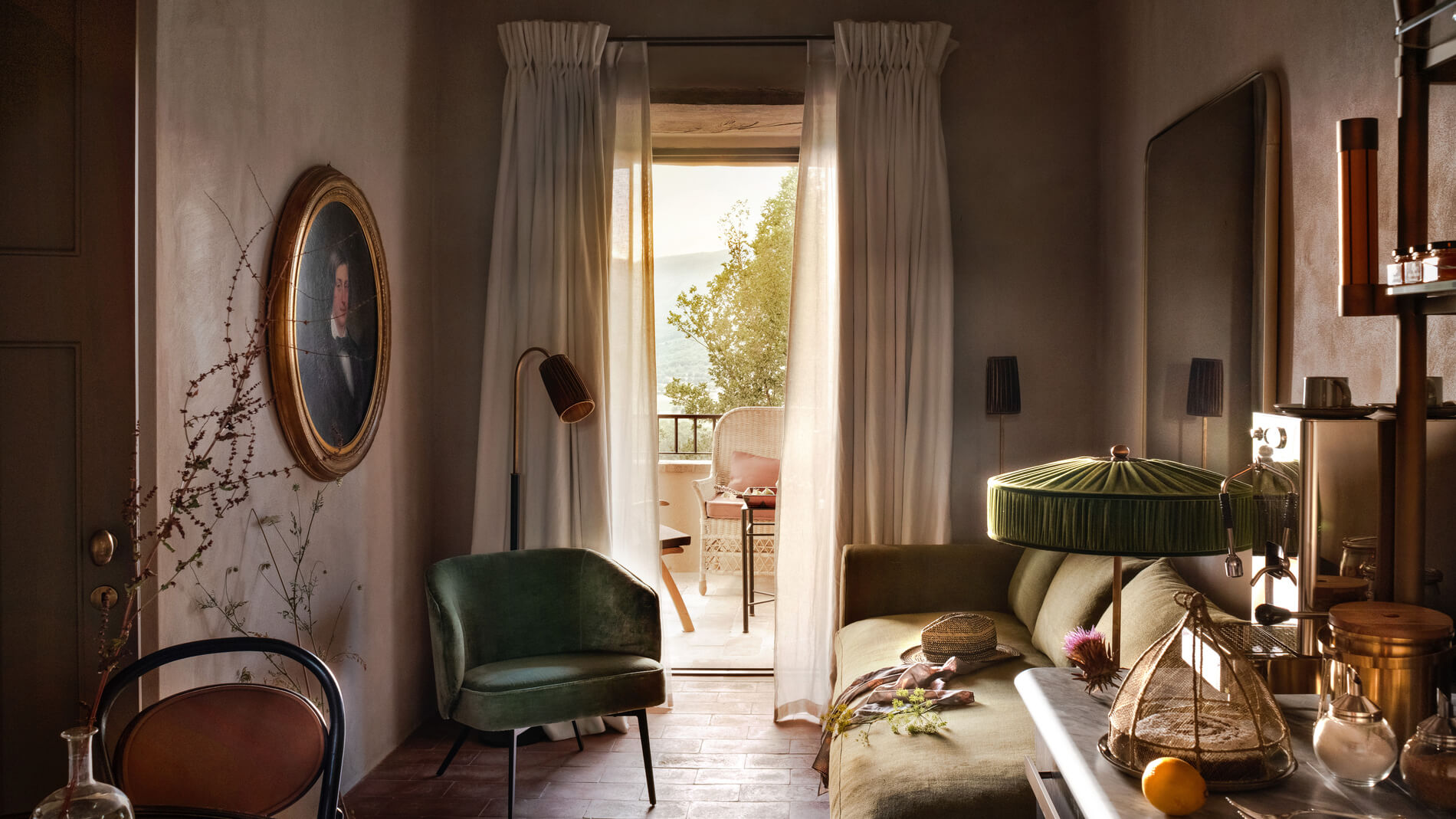
The portraits stare at you from every wall, faces from centuries past watching as you navigate rooms filled with objects that shouldn't work together but somehow do. A Marshall radio sits beneath an 18th century tapestry. Radiator coils twisted into lamp bases cast light on Modernist chairs. Count Benedikt Bolza, the London-trained architect who transformed this crumbling fortress into one of Italy's most compelling properties, puts it plainly: "We're the opposite of a resort." No golf courses interrupt the 3,700 acres of rewilded landscape. No fleet of buggies shuttles guests around manicured gardens. The estate's 40 Andalusian horses are bred for dressage, not tourists. When you arrive at Castello di Reschio in Lisciano Niccone, straddling the border where Umbria meets Tuscany, you're entering a world that existed long before the luxury hospitality industry invented its rulebook. The Bolza family didn't set out to run a hotel. They set out to save a castle, restore an ecosystem, and prove that real luxury cannot be rushed. The fact that you can now stay here is almost incidental to that larger mission. In 2024, Michelin awarded the property Three Keys, placing it among only eight hotels in Italy to receive the guide's highest honor. The reward came 30 years after the work began.