Inside the WWF Reserve Where Safari Vehicles, Mountain Wolves, and Minimalist Lodges Replace Everything You Expect from Italian Luxury
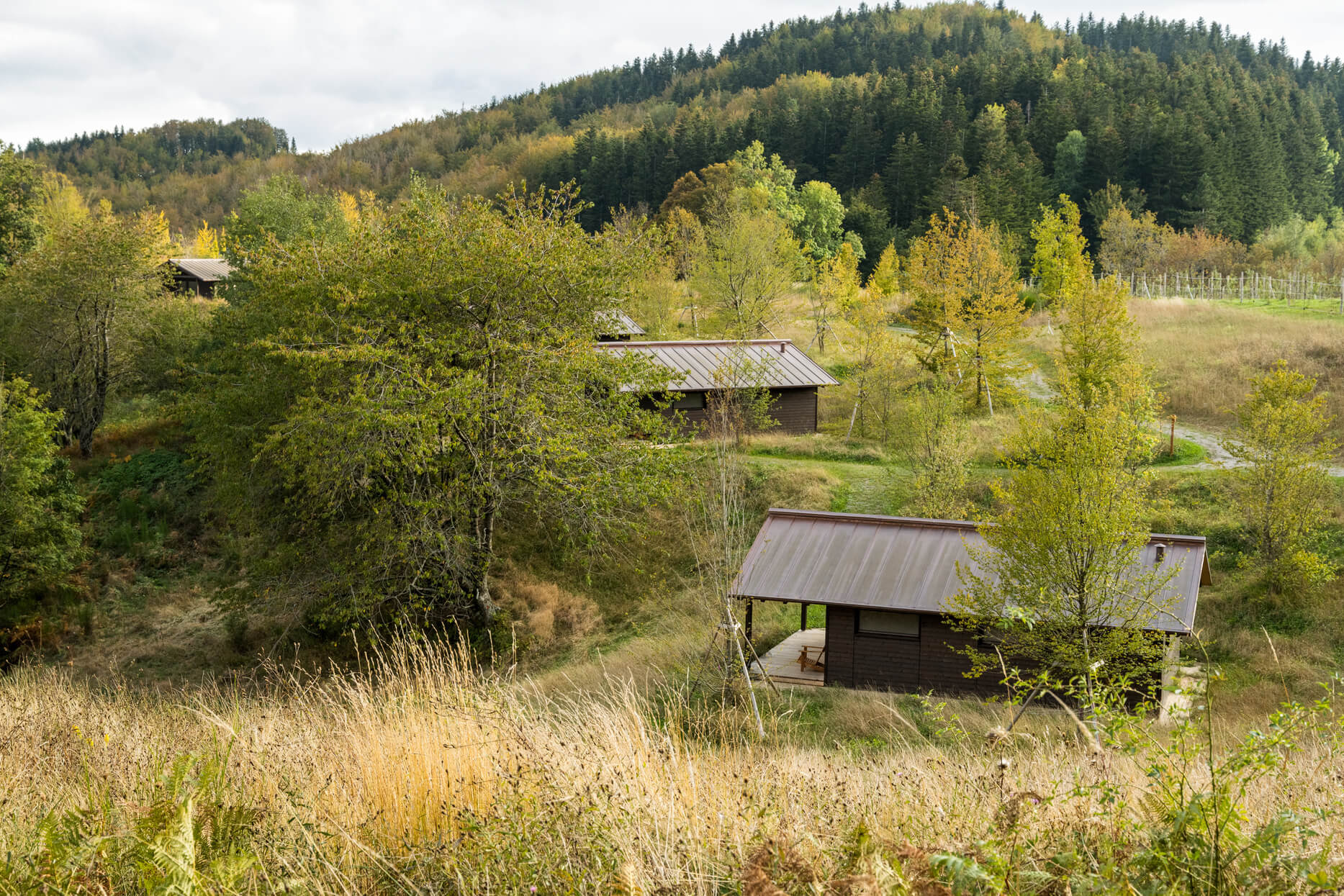
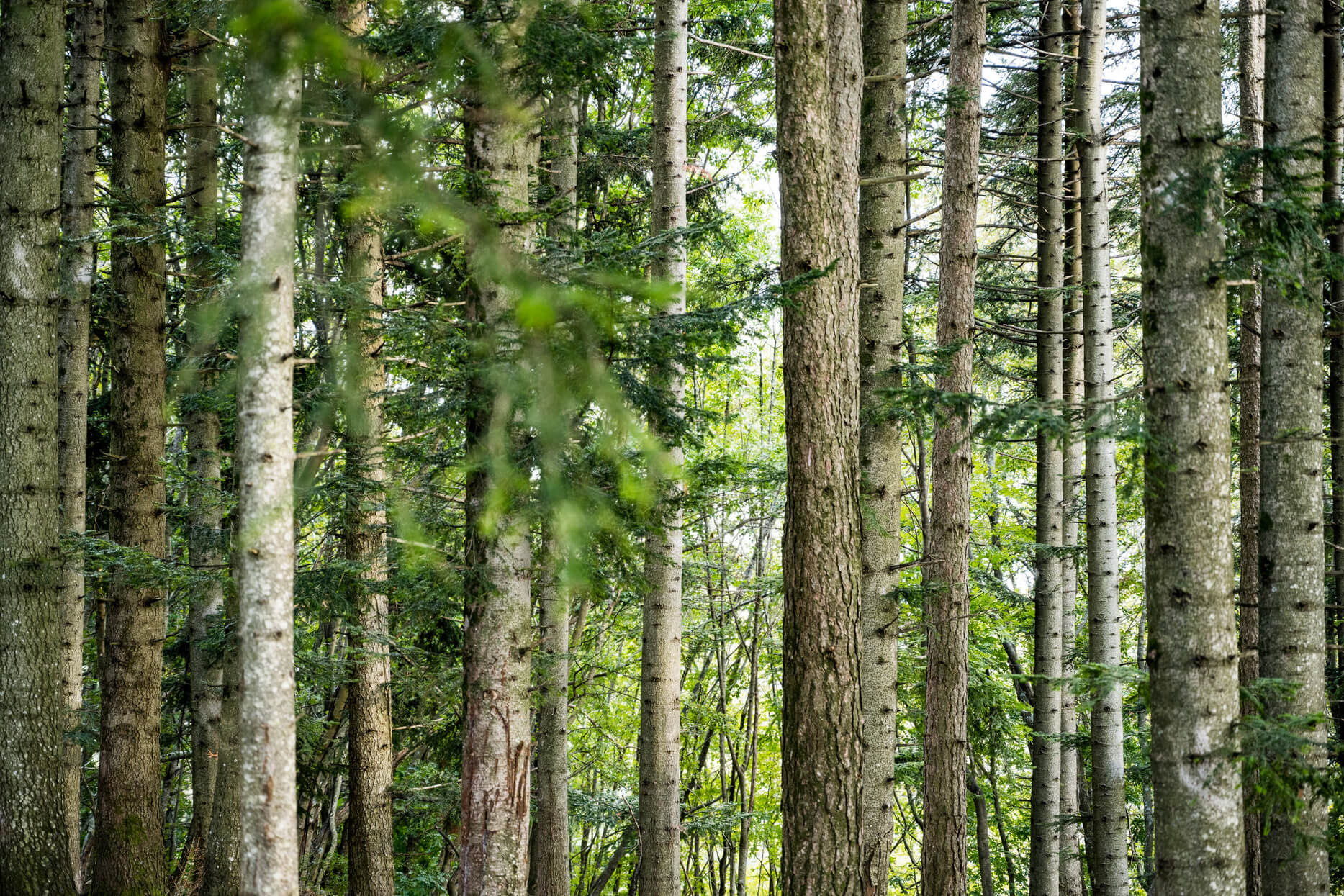
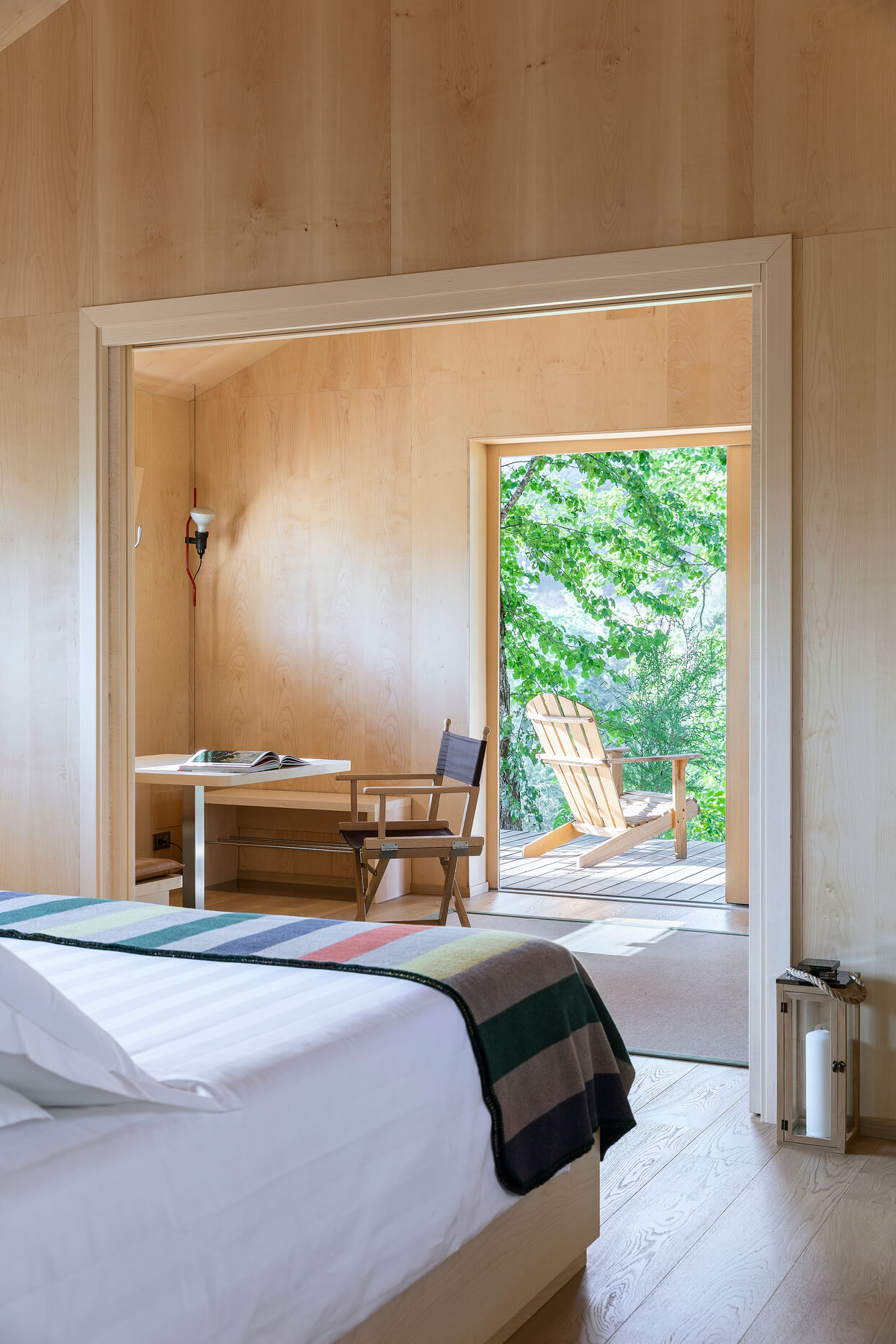
There's a moment at Oasyhotel when you realize with startling clarity that you've left Tuscany behind entirely. You're sitting on a wooden deck at 3,640 feet, watching deer graze below your lodge, and the only sound is wind moving through silver fir trees. No church bells. No vespas. No tour groups photographing cypress-lined drives. The lodge behind you contains no marble, no frescoes, no antique anything. Just birch walls, oak floors, and windows that dissolve the barrier between inside and wilderness. And somehow this spartan aesthetic feels more luxurious than any Renaissance palazzo you've stayed in, because the real luxury isn't what's built here. It's what's been left untouched: 2,500 acres of WWF protected forest where wolves still howl and silence becomes something you can physically feel.
The truth about Oasyhotel: If you want traditional Tuscany, this will disappoint you. If you want something better, keep reading.
THE ONE THING YOU NEED TO KNOW
Oasyhotel exists for travelers who've exhausted the Tuscan villa circuit and want the complete opposite experience. This is mountain wilderness, not rolling vineyards. Safari-style wildlife encounters, not art museum visits. Digital detox enforced by elevation and intentional design, not Instagram-perfect Renaissance backdrops. The hotel sits inside a WWF nature reserve that was once a hunting estate, now transformed into protected habitat where rare species thrive and guests arrive via Toyota Land Cruiser because regular cars aren't allowed past the reserve gates. If that sentence excites you, Oasyhotel is your hotel. If it sounds like punishment, Florence is an hour away and has plenty of frescoed alternatives.
The Insider Context: Federico Galligani and the WWF Partnership
My relationship with Oasyhotel began through conversations with Federico Galligani, the property's general manager who returned to his native Tuscan mountains after years abroad including a stint at The Savoy in London. What struck me immediately was his refusal to describe Oasyhotel using typical luxury hotel language. No mentions of elegance or sophistication or world-class anything. Instead he talked about silence. About giving guests space. About how the real luxury is waking to birdsong instead of traffic, and how minimalist design forces you to engage with landscape rather than distract from it. This philosophical approach extends throughout the property, which opened in April 2022 after the reserve's owner partnered with WWF to transform a former hunting ground into conservation-focused hospitality. All profits fund the Dynamo Camp further down the mountain, a recreational therapy center for seriously ill children, meaning your stay actively supports both environmental conservation and social good. The timing matters because Oasyhotel represents something increasingly rare: genuinely sustainable luxury that doesn't compromise on experience while treading lightly on earth.
The competitive landscape makes Oasyhotel even more compelling. While Tuscany overflows with converted monasteries and Renaissance villas charging similar rates, nothing else offers this wilderness immersion combined with sophisticated service. Castello di Reschio in Umbria comes closest with its vast estate and architectural vision, but sits in manicured countryside rather than raw nature reserve. Oasyhotel occupies its own category entirely: Italian hospitality meets safari-style wildlife encounters in mountain terrain that feels more Colorado than Chianti. The WWF partnership ensures the reserve remains protected, with strict limits on development meaning these 16 lodges represent the maximum capacity. No expansion possible. No dilution of the wilderness experience. Book understanding you're accessing something genuinely rare.
Why You're Actually Here: The Oasi Dynamo Wildlife Reserve
You don't come to Oasyhotel for the lodges themselves, though they're comfortable and well designed. You come for what happens the moment you leave your car at the reserve gates and climb into the Toyota Land Cruiser with the Oasi Dynamo logo emblazoned on the door. That 25 minute drive through protected forest, past the Dynamo Camp foundation, ascending through terrain where wild boar and deer move freely, recalibrates your expectations immediately. This isn't a hotel. It's an entry point into functioning wilderness that happens to include comfortable beds and exceptional food.
The Reserve Experience and Wildlife Encounters
The reserve itself sprawls across elevations ranging from valley floor to mountain ridge, with 35 kilometers of trails crossing every terrain type. Silver fir and black pine forests give way to wildflower meadows that glow purple in afternoon light. The private lake sits perfectly positioned for kayaking at dawn when mist rises off the water and the only sounds are your paddle and occasional bird calls. Complimentary e-bikes let you cover serious distance, though walking reveals more: the mushroom varieties hiding under fallen logs, the medicinal herbs growing wild that locals have harvested for generations, the wolf tracks in muddy sections of trail that remind you this forest contains apex predators.
The wildlife encounters feel authentic because they are. Five wolves were released into the reserve years ago and while sightings are rare given their nocturnal nature and vast territory, you hear them. That spine-chilling howl echoing across valleys at dusk isn't audio piped through speakers. It's real communication between pack members, as unsettling and thrilling as any wildlife moment in Africa. Deer appear constantly, often walking past your lodge at dawn or grazing in meadows visible from trails. Wild boar root through underbrush. Goshawks and golden eagles circle overhead. The abundance exists because the reserve protects rather than manages, allowing natural systems to function without human interference beyond preventing poaching.
The Insider Context: Federico Galligani and the WWF Partnership
Federico Galligani, the general manager who returned to his native Tuscan mountains after years at The Savoy in London, refuses typical luxury hotel language. He talks about silence. About giving guests space. About how real luxury is waking to birdsong instead of traffic, and how minimalist design forces engagement with landscape rather than distraction from it. The property opened in April 2022 after the reserve's owner partnered with WWF to transform a former hunting ground into conservation-focused hospitality. All profits fund the Dynamo Camp down the mountain, a therapy center for seriously ill children, meaning your stay supports both environmental conservation and social good.
While Tuscany overflows with converted monasteries and villas charging similar rates, nothing offers this wilderness immersion combined with sophisticated service. Castello di Reschio in Umbria comes closest, but sits in manicured countryside rather than raw nature reserve. Oasyhotel occupies its own category: Italian hospitality meets safari-style wildlife in mountain terrain that feels more Colorado than Chianti.
Why You're Actually Here: The Reserve and Wildlife
You come for what happens when you leave your car at the gates and climb into the Toyota Land Cruiser with Oasi Dynamo branding. That 25 minute drive through protected forest, past the Dynamo Camp, ascending through terrain where wild boar and deer move freely, recalibrates expectations immediately. This isn't a hotel. It's an entry point into functioning wilderness that happens to include comfortable beds and exceptional food.
The reserve sprawls across elevations from valley floor to mountain ridge, with 35 kilometers of trails. Silver fir and black pine forests give way to wildflower meadows glowing purple in afternoon light. The private lake sits perfectly positioned for dawn kayaking when mist rises and the only sounds are your paddle and bird calls. Complimentary e-bikes let you cover serious distance, though walking reveals more: mushroom varieties, medicinal herbs, wolf tracks reminding you this forest contains apex predators.
Five wolves were released years ago and while sightings are rare, you hear them. That spine-chilling howl echoing at dusk isn't audio through speakers. It's real pack communication, as thrilling as any African wildlife moment. Deer appear constantly, walking past your lodge at dawn. Wild boar root through underbrush. Golden eagles circle overhead.
What Nobody Tells You: The Evening Wolf Walk and Cheesemaking
The evening I arrived in April, Federico invited me for "a walk to see if we can hear wolves." Instead of a brief stroll, he led our small group deep into forest in gathering darkness until we reached a clearing where staff had arranged something unexpected: a rustic table with candles, an old stone building illuminated by projector light, complete silence broken only by wind and distant animals. We sat with wine watching stars emerge, and yes, eventually heard wolves calling across the valley. That theatrical staging combined with genuine wilderness created a moment more memorable than any Michelin-starred dinner.
The next morning Federico led me to the organic farm where Maria, a local nonna who makes all the hotel's cheese, teaches traditional cheesemaking in rapid Italian with translation. You actually work the unpasteurized milk, separate curds from whey, shape your own wheel that gets vacuum-packed for travel with ripening instructions. The authenticity extends to everything at Oasyhotel. Nothing feels staged.
The wooden lunch box that appeared lakeside exemplifies this attention to detail. Rather than sad plastic-wrapped sandwich, it arrived as a compartmentalized wooden container: roasted local potatoes, fresh quiche, homemade sandwiches, dessert, seasonal foraged fruits. Every ingredient sourced within the estate or from farms within one kilometer.
The Lodges: Minimalist Luxury
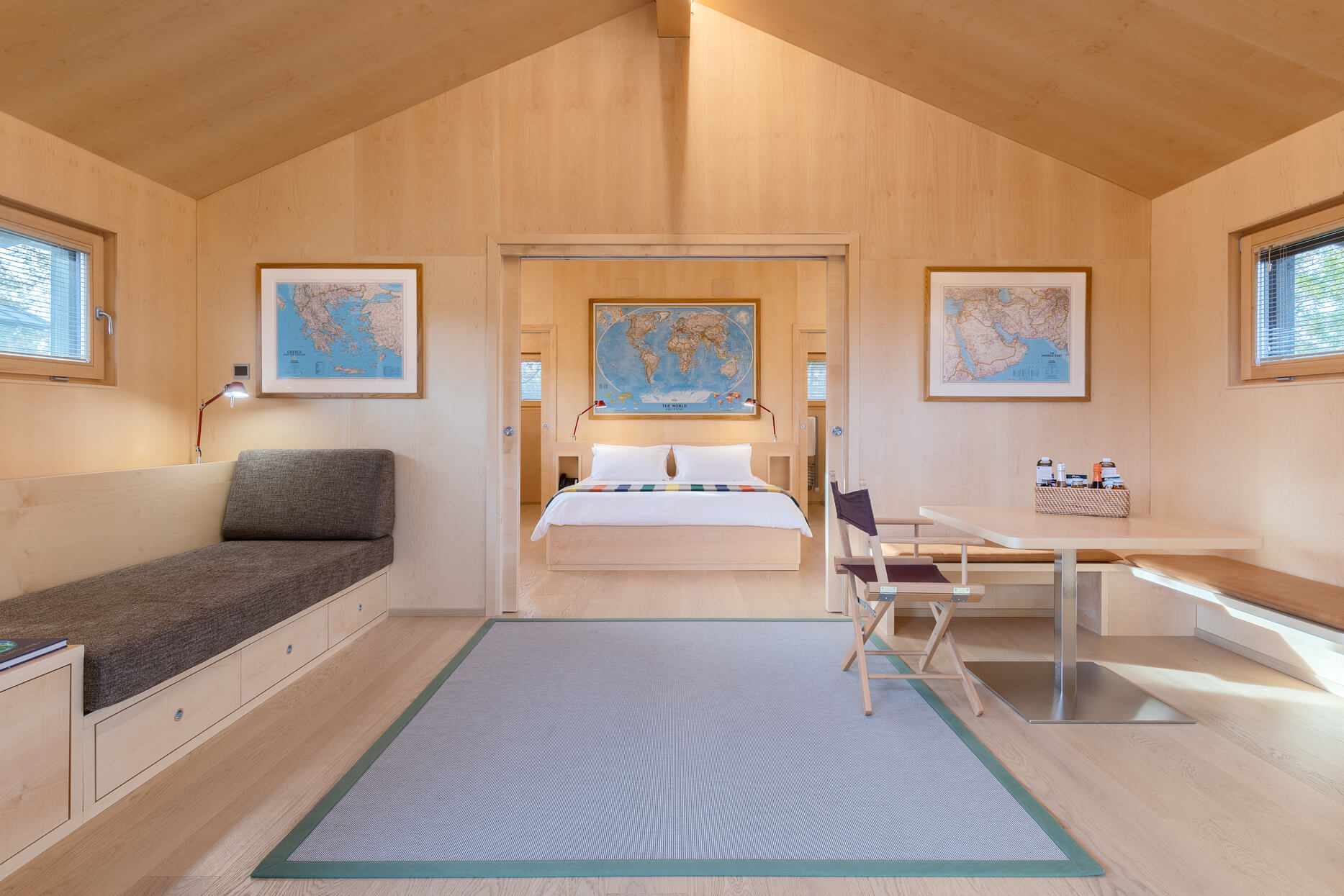
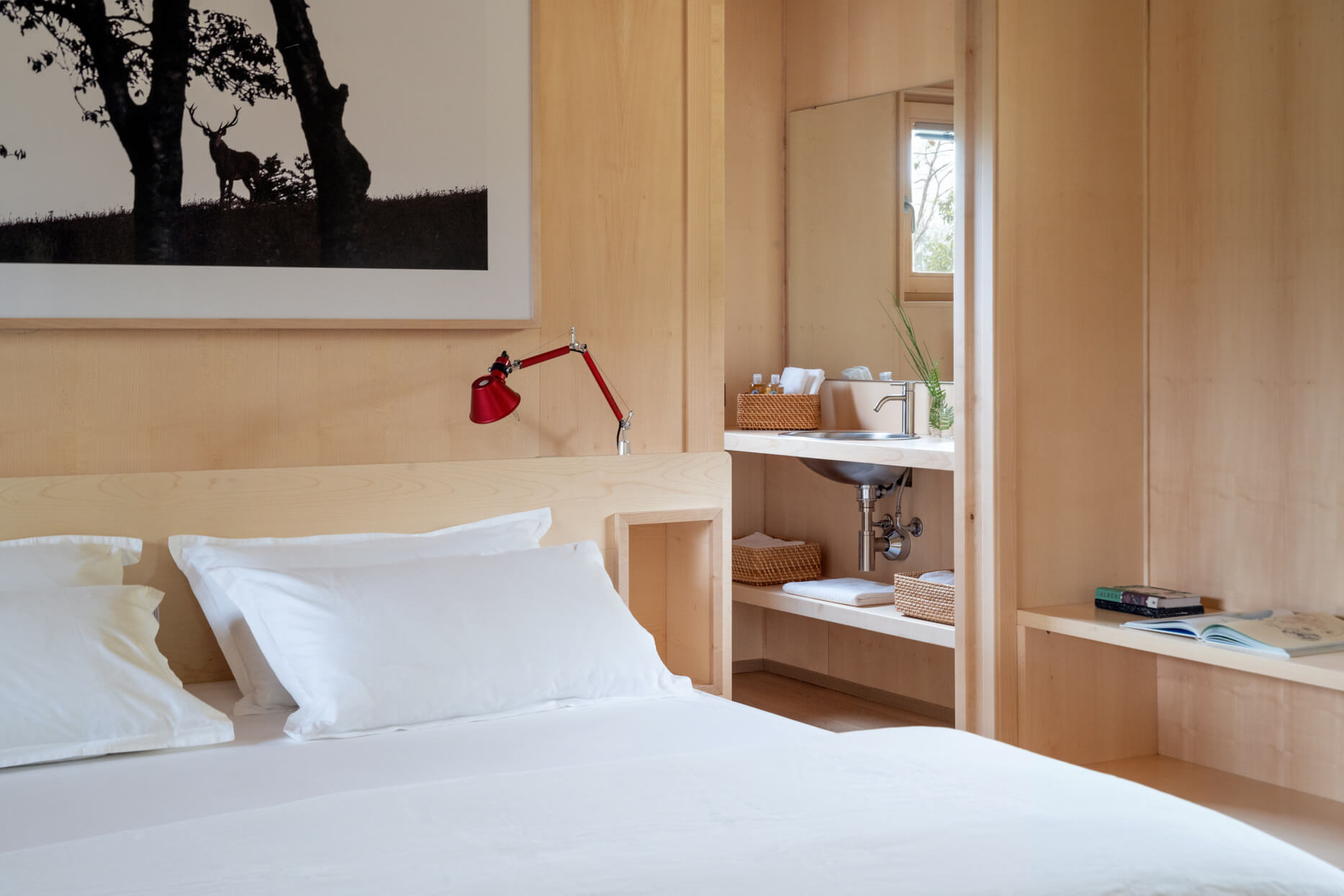
The 16 lodges follow identical 65 square meter layouts but feel individual thanks to positioning that maximizes privacy and view. Mine faced the valley with nothing between my deck and cliff edge except wildflowers and wandering deer. The minimalist interior initially read as spartan: birch ply walls, oak floors, camp-style blankets, no television, no artwork competing with windows. But that austerity serves purpose. With no visual distractions inside, attention flows constantly outward toward changing mountain light and wildlife.
The bar corner came stocked beyond expectation: Oasy-made juices, local biscuits, Nespresso machine, foraged herb teas. The bathroom takes a utilitarian approach with stainless steel fixtures some might find too industrial, but hot water arrives instantly and products use local organic ingredients. By the second night I appreciated the lack of television, using evenings for the small cinema or more often just sitting on my deck watching darkness settle while listening to forest wake for night.
The outdoor deck is where you'll spend most waking hours. Adirondack chairs positioned for optimal views, enough space to spread out breakfast, privacy that makes you feel completely alone despite 15 other lodges existing somewhere in forest. Waking before dawn to sit here with coffee, watching valley emerge from darkness as birds began their chorus, became my daily ritual. That experience justified the €400 nightly rate.
Where Oasyhotel Falls Short
The lodges lack plush luxury many expect at this price point. No fancy toiletries beyond organic basics. No robes or slippers. The aesthetic reads utilitarian rather than indulgent. The remote location means genuine isolation. No popping into town. No alternative entertainment. Cell service barely exists, WiFi in lodges proves patchy. For digital nomads needing connectivity, this creates real limitations.
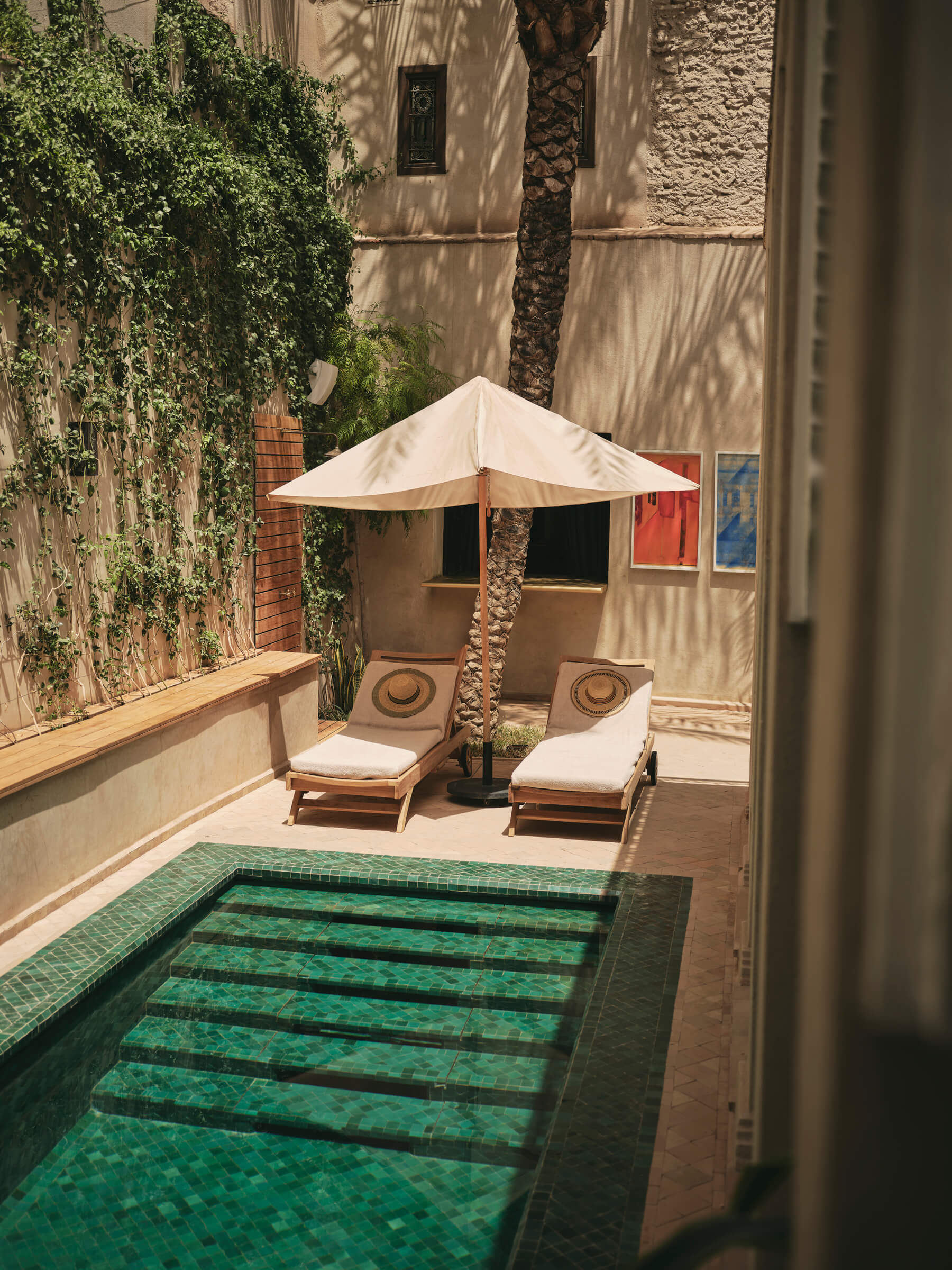
No swimming pool despite summer heat, though the lake provides natural alternative. No proper spa, just two treatment rooms. No hot tub. The hotel argues these would compromise sustainability, which is fair, but the omissions exist. Families with young children might find the lack of structured activities challenging. Teenagers thrive with outdoor freedom, but toddlers could struggle with isolation.
The Food: Chef Barnaba Ciuti's Cooking
Chef Barnaba Ciuti delivers cooking that honors Tuscan tradition while showcasing the reserve's bounty. Dinner at Le Felci restaurant became my highlight through ingredient quality and perfect execution. House-made pasta with speck. Ravioli stuffed with Maria's morning ricotta, served with butter and foraged sage. Wild boar ragu. Desserts using honey from reserve hives and berries picked that day.
Service strikes perfect balance between attentive and unobtrusive, with young local staff Federico trained bringing genuine warmth. Sommelier Thomas Cresci, just 26, guides selections with impressive knowledge of Tuscan biodynamic producers. Breakfast spreads generously: house-made yogurt and preserves, farm cheeses, local cold cuts, exceptional pastries baked that morning. Casa Luigi trattoria serves lunch, though the wooden picnic boxes often suffice.
The Verdict: Is Oasyhotel Worth €400 Per Night?
Oasyhotel succeeds precisely because it rejects everything typically associated with Tuscan luxury. No frescoes. No antiques. No Renaissance anything. Instead: protected wilderness, authentic wildlife, minimalist design forcing landscape engagement, service that feels like local friend showing secret mountain retreat rather than commercial hospitality. The €400 rate seems high for wooden lodges without televisions or spa, but you're paying for exclusive access to 2,500 protected acres where wolves howl, for Federico's team's intimate reserve knowledge, for food sourced within one kilometer, for guarantee that only 16 other lodges exist.
Book this if you've exhausted traditional Tuscany and want the antidote. If you value silence and space over amenities and entertainment. If wildlife encounters sound more appealing than museum visits. The experience won't work for everyone, which is exactly the point. For the right traveler seeking the right escape, nothing else in Tuscany delivers this combination.
How to Do This Right
Oasyhotel operates late March through October, with April through June offering the most temperate weather. July and August require booking months ahead. Book directly for best rates and to communicate interests so Federico's team can customize your experience. Request activity guidance during pre-arrival communication. Staff can arrange horseback riding to stargazing with observatory experts, but advanced notice helps availability. Arrive with proper walking shoes and layered clothing since mountain weather changes rapidly.
Our sister company Siana Travel specializes in crafting Italian experiences beyond the obvious, combining properties like Oasyhotel with complementary stays. Their expertise ensures success: understanding which season serves your interests, securing activities requiring advance booking, potentially combining Oasyhotel with coastal Tuscany or Umbrian properties for contrast. Contact Siana Travel to explore how Oasyhotel fits into broader Italian journey. Book understanding that Oasyhotel represents something increasingly rare: hospitality prioritizing environmental conservation and community benefit over profit, where your presence actively supports wilderness preservation, and where luxury manifests through what's absent rather than provided.
Where It Actually Is: San Marcello Piteglio, Pistoia Apennines - 90 minutes from Florence, 1,100 meters elevation, deep inside Oasi Dynamo WWF Nature Reserve
What You're Getting: 16 lodges across 2,500 acres - you'll see more wildlife than guests, guaranteed
What It Costs: From €400 per night including breakfast, all activities, e-bikes, lake access, minibar - essentially all-inclusive
Perfect For: Wilderness immersion, wildlife encounters, complete disconnection, and travelers who appreciate that luxury sometimes means what you strip away rather than what you add
Wrong For: Evening entertainment seekers, spa devotees, traditional elegance lovers, or anyone wanting to sightsee Renaissance cities daily. Also wrong if winding mountain roads induce car sickness.
When To Go: April to October (hotel closes November through March). Spring brings wildflowers and mild temperatures, summer offers swimming and extended daylight, autumn delivers mushroom foraging and turning leaves.
Wildlife You'll Actually See: Deer daily at dawn and dusk, wolves heard howling at night (rarely seen), wild boar rooting through underbrush, golden eagles and goshawks overhead
Activity Level Required: Moderate - expect walking, hiking, e-biking across mountain terrain. Not extreme but you'll be active outdoors most days.
The Food Situation: Two restaurants (Le Felci and Casa Luigi), Chef Barnaba Ciuti's farm-to-table Tuscan cooking, sommelier Thomas Cresci's biodynamic wine selections, Maria's fresh cheeses from the organic farm